
Appletree Insurance Blog |
 Your home is one of your most significant investments, and ensuring it is adequately protected is crucial. Regularly reviewing and updating your home insurance policy helps you maintain the right coverage to safeguard your home and belongings. This article provides a comprehensive guide on how to review and update your home insurance policy effectively.
0 Comments
 Open floor plans have become increasingly popular in modern home design, offering spaciousness, flexibility, and a sense of connectivity among different living areas. However, like any architectural choice, open floor plans come with their own set of advantages and disadvantages. In this blog, we'll explore the pros and cons of open floor plans for your home, helping you weigh the factors and make an informed decision about whether an open layout is right for you.
 Homeownership often comes with the responsibility of maintaining and occasionally repairing your property. While many homeowners prefer the do-it-yourself (DIY) approach to save money and learn new skills, it's essential to consider how DIY home repairs may affect your home insurance coverage. In this article, we'll explore the pros and cons of DIY home repairs and their potential impact on your home insurance.
 In today's fast-paced world, technology continues to reshape the way we live. One notable innovation that's gaining popularity is home automation, which allows homeowners to control various aspects of their homes with ease. From smart thermostats that optimize energy usage to security systems that provide peace of mind, home automation offers a range of benefits that simplify your life. In this article, we'll explore the advantages of home automation and how it can enhance your home insurance coverage.
 Home insurance is a vital financial safeguard for homeowners, providing protection against a wide range of perils, from fire and theft to natural disasters. Central to your home insurance policy is the deductible, a key component that affects both the cost of your premiums and your out-of-pocket expenses in the event of a claim. In this blog, we'll delve into home insurance deductibles, how they work, and their impact on your policy.
 Your home's curb appeal is not only a reflection of your pride in ownership but also a factor that can influence its value. Whether you're planning to sell your home or simply want to make it more inviting, enhancing its exterior appearance can have a significant impact. In this blog, we'll explore various tips and creative ideas to add curb appeal to your home, making it more attractive and appealing to visitors and potential buyers.
 Renovating your home doesn't have to come with a hefty price tag. With careful planning and savvy decisions, you can transform your living space without breaking the bank. Not only can you save on renovation costs, but you can also potentially reduce your home insurance premiums. Here are some budget-friendly renovation tips that can have an impact on your home insurance.
 Decorating a small home can be a creative challenge, as limited space might appear to offer fewer design possibilities. However, with the right ideas and a touch of creativity, you can transform your compact living space into a beautiful and functional environment. In this article, we'll explore some home beautification ideas tailored to small homes and how your home insurance can play a role in managing the associated expenses.
 When it comes to protecting your home and investment, it's essential to distinguish between "mortgage insurance" and "home insurance." Despite their similar-sounding names, these two types of insurance serve distinct purposes. Whether you're a first-time homebuyer or a seasoned homeowner, understanding the differences between them is crucial.
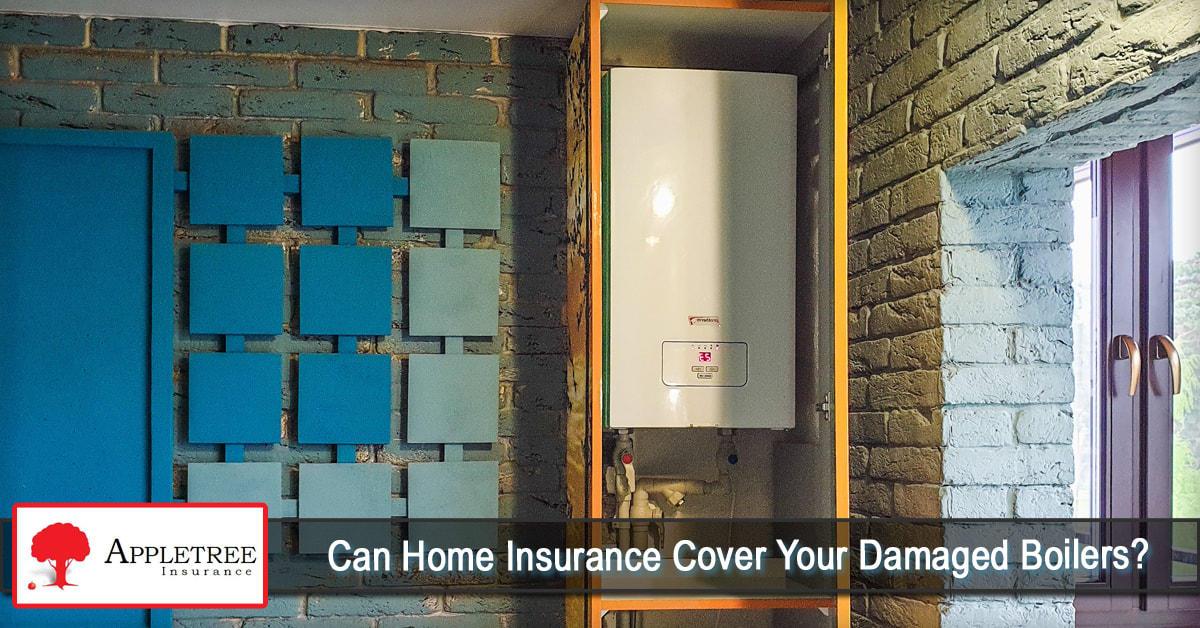 As a homeowner, safeguarding your residence from unexpected damages and losses is a top priority. Home insurance is the safety net that provides peace of mind, offering protection against unforeseen property damage and liabilities. However, when it comes to specific components within your home, such as boilers, questions may arise about whether they are covered by your home insurance policy. In this article, we will explore the intricacies of home insurance and its potential coverage for damaged boilers.
|
Contact Us(603) 881-9900 Archives
July 2024
Categories
All
|
 RSS Feed